This week, we had the opportunity to go into a local grade 2 classroom and create dioramas. We all got to work with a student one on one, and some of us with two students (I was one of the lucky ones to work with two) which was great to be in a classroom and create relationships. Each student selected a local animal and us teacher candidates got to choose the animal we wanted to work with and prepare resources with the goal that they could use it to help create their dioramas. Before going in and meeting the class/students, we researched the Ktunaxa name of their animals and used First Voices to help learn the correct pronunciation. The students I had chose a Bear – Nupku, and an Eagle – Kyaqnukat.
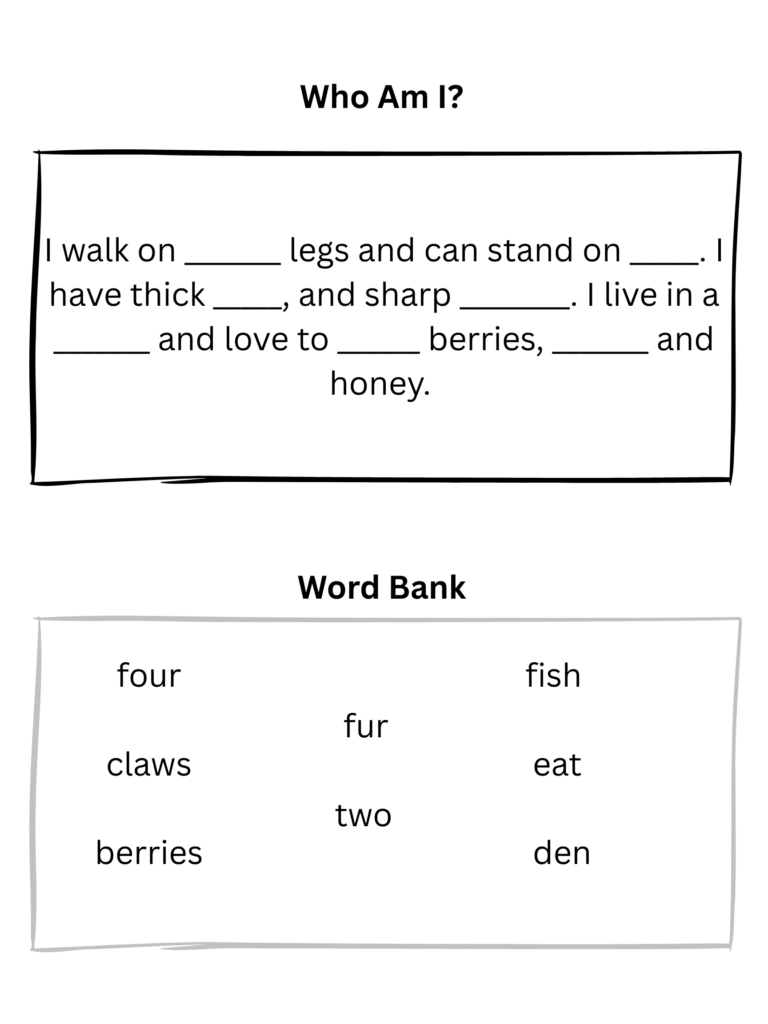
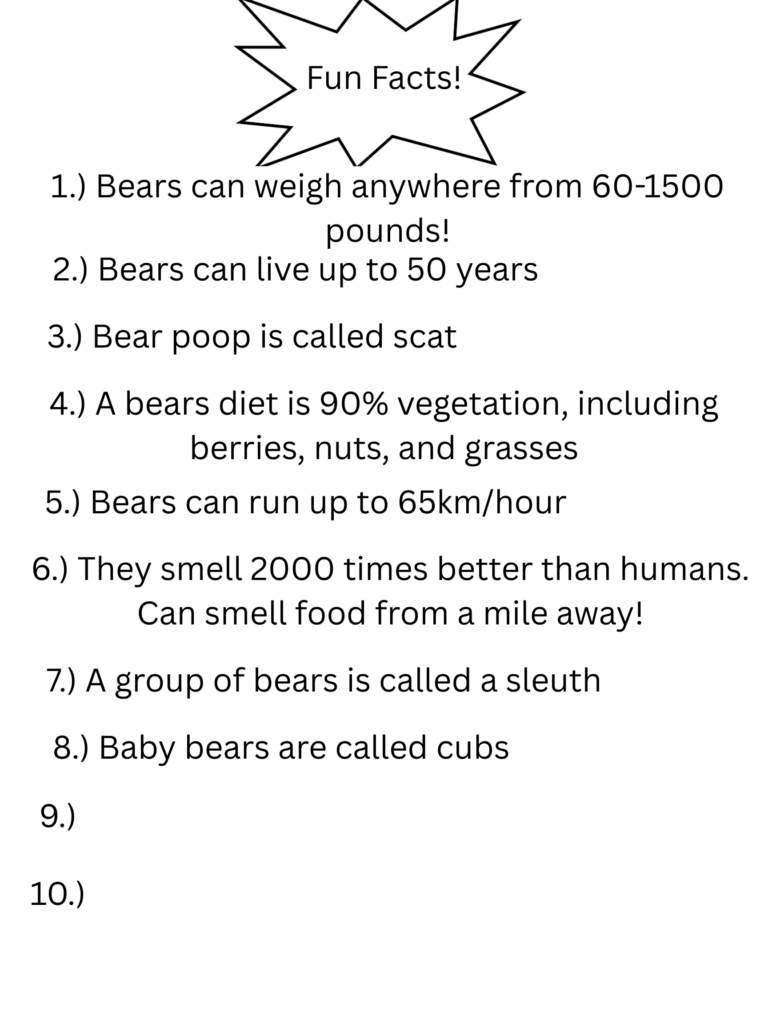
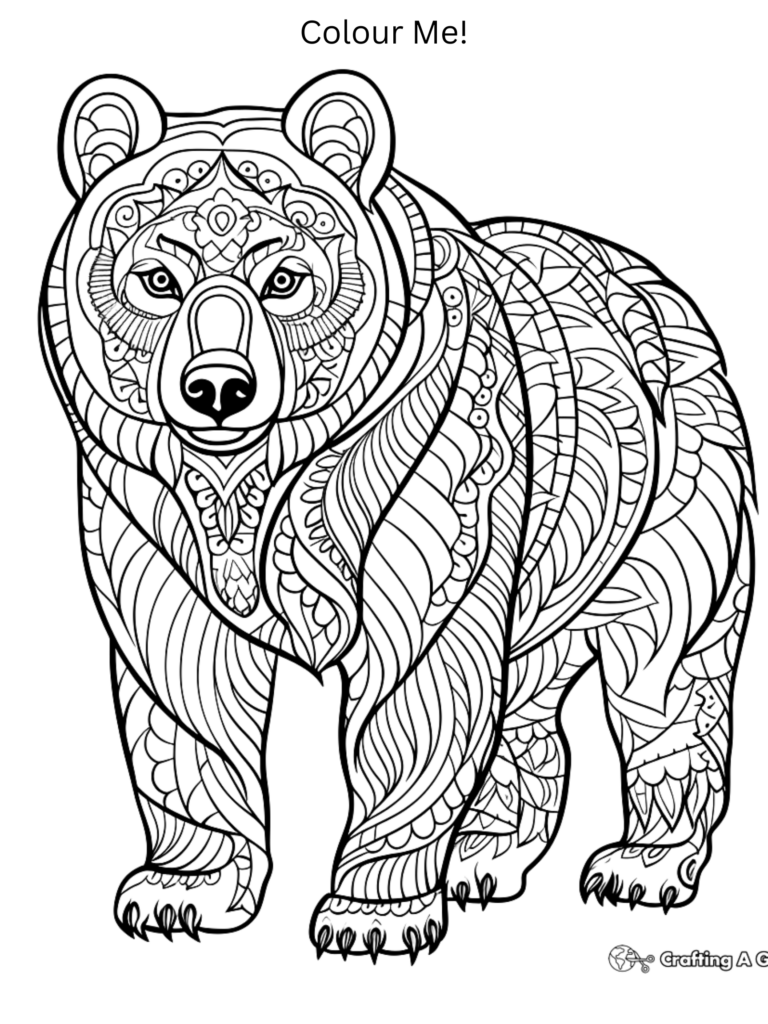
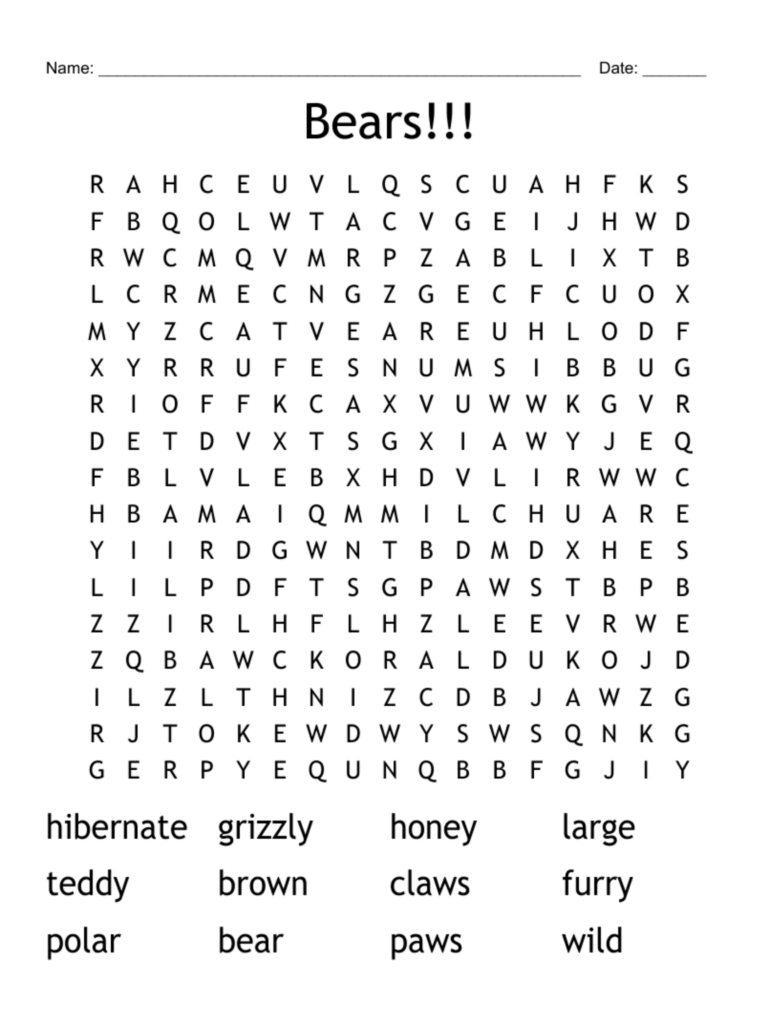
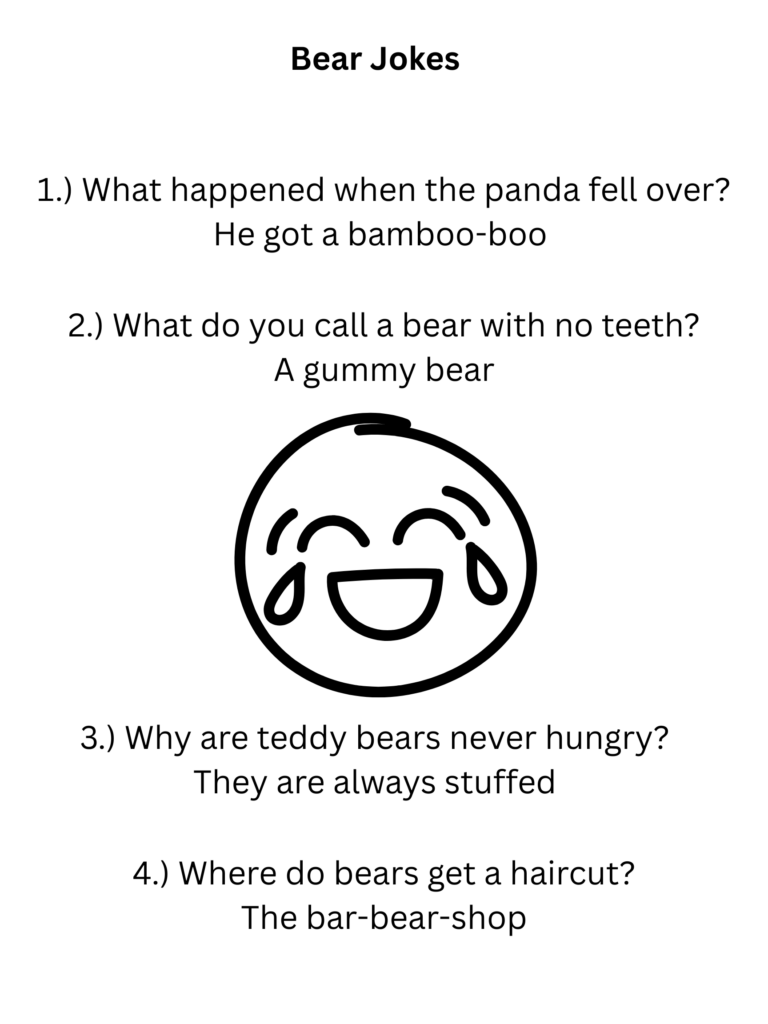
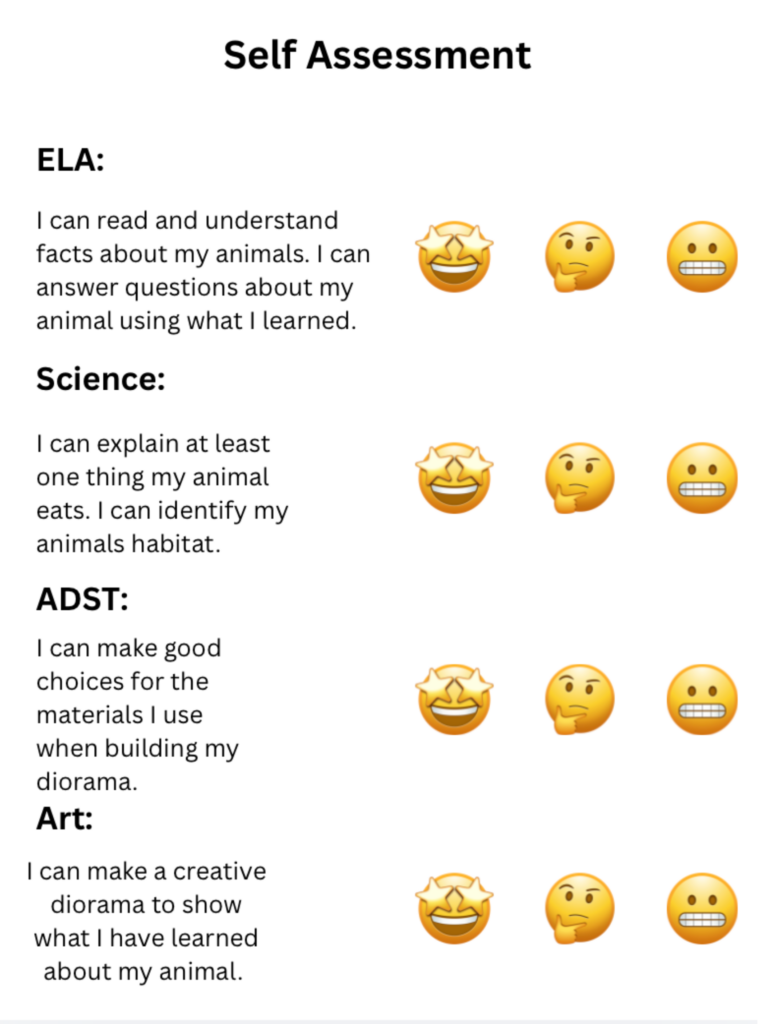
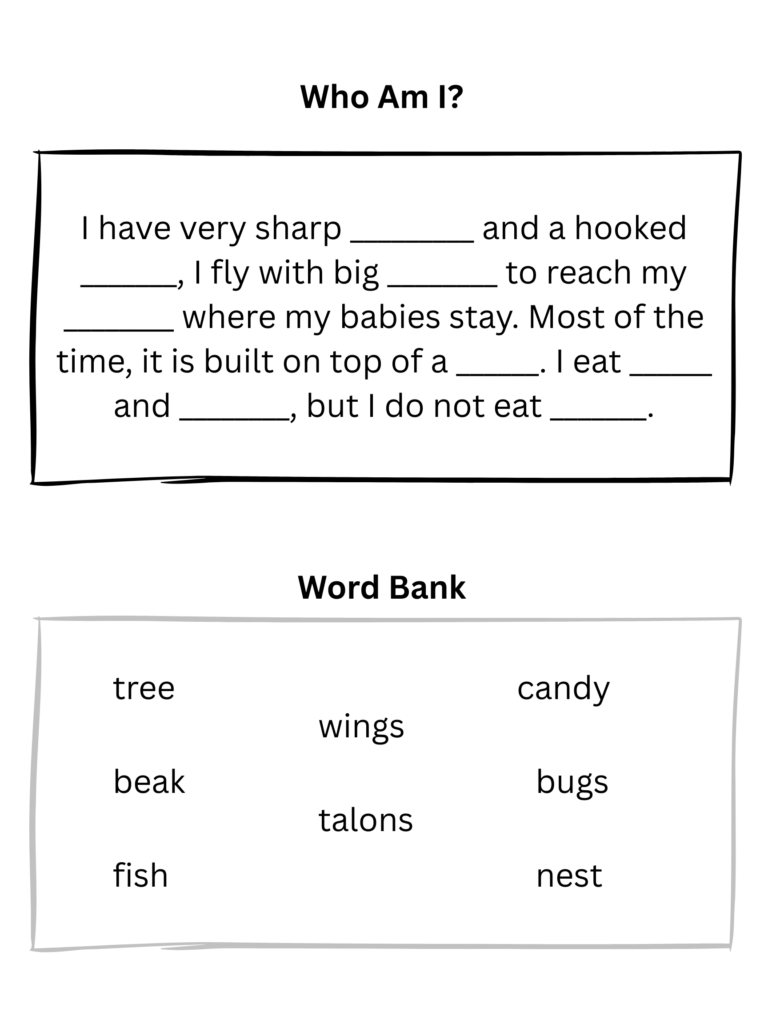
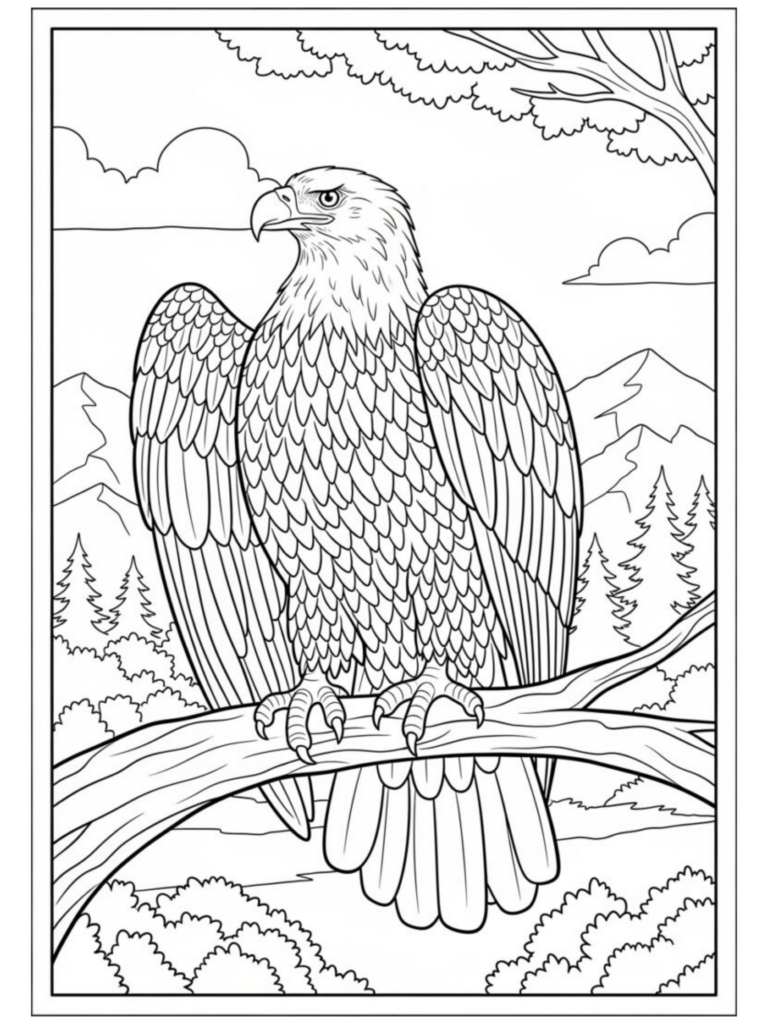
Here are the busy book pages that I created for them without the cover page as it has my students names on them… They both had a self assessment sheet and sketch a diorama page.
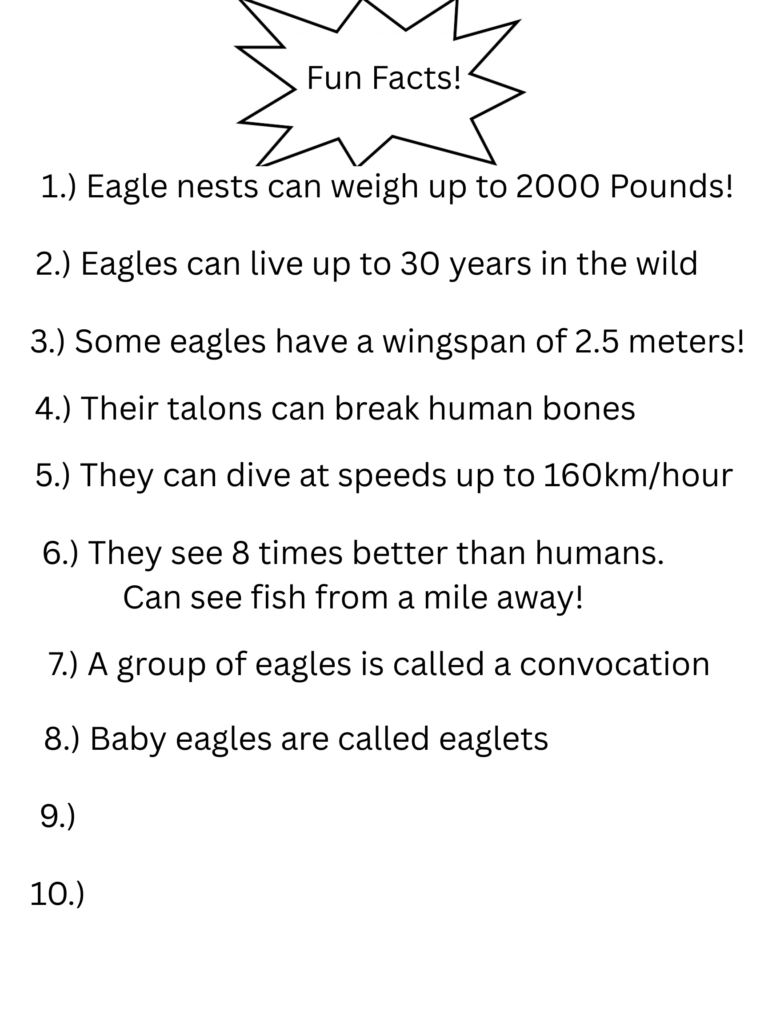
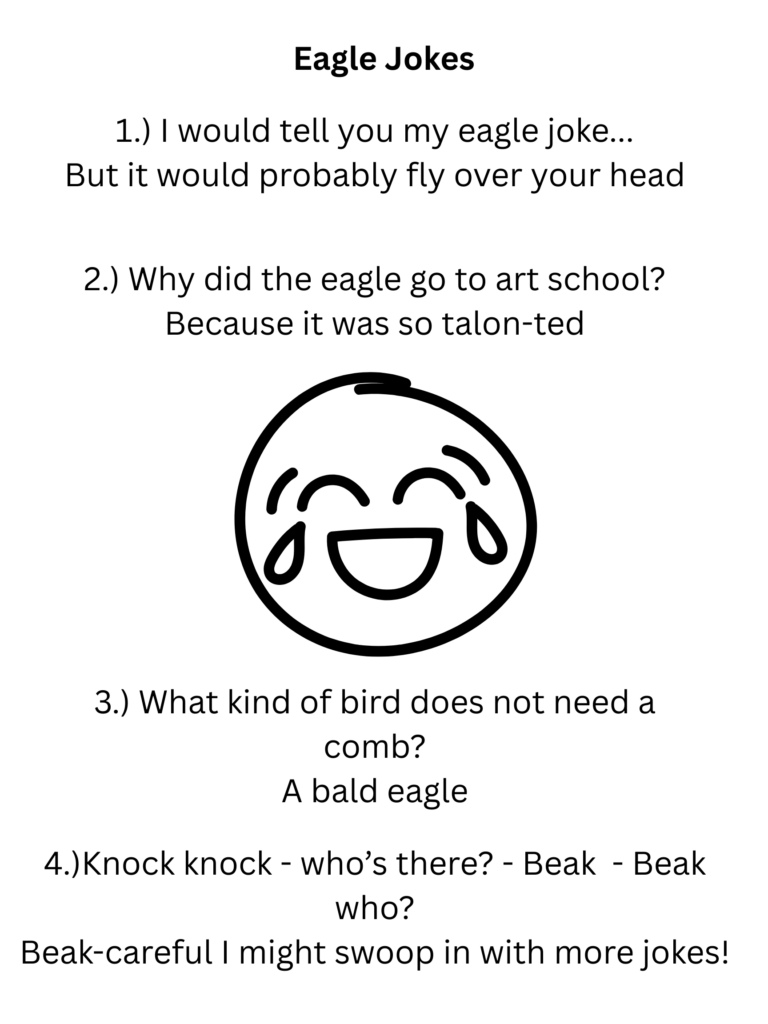

FInal Diorama:
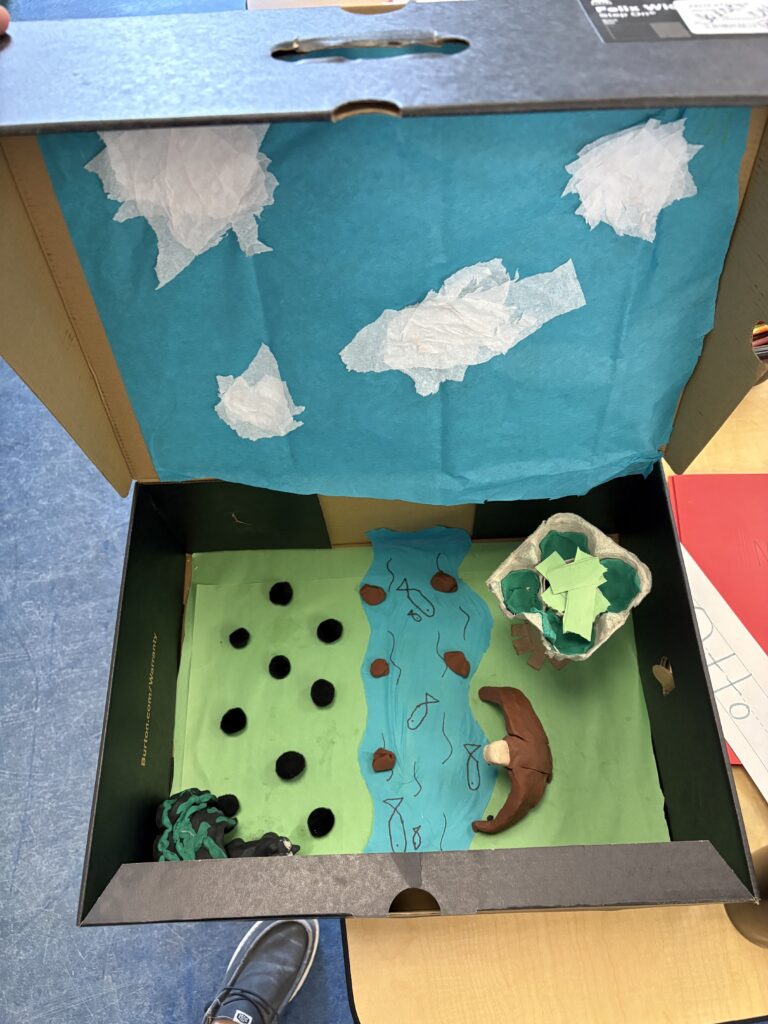
I was so proud of my students as they were able to split a shoe box and connect their ides by dividing their animals by a stream with a common snack for them both. What a great idea!
BC Curriculum Connection:
In the BC Curriculum, dioramas can be used for more than just learning about animals and their habitats. You can use dioramas to explore storytelling, ecosystems, lifecycles, history, and much more!
AHA Moment:
This was an amazing experience. I hope to have the opportunity to do this activity in my future classroom. It is a great way to learn and to meaningfully Indigenize learning. Taking a step back and watching ever teacher candidate with their own student and the smiles from everyone, really supported my decision to become an educator. SO much meaningful learning was happening while having a ton of fun.
Reflection:
These dioramas are so important. It is a visual that students get to create and it is great for teachers because they will then be able to see the students understanding and creativity. This experience has given me the opportunity to recognize that meaningful learning is not about content, but about accessibility and differentiation. Seeing the range of independence in a Grade 2 classroom deepened my understanding of how hands on inquiry supports diverse learners and allows students to complete their project to what makes the most sense to them. This is important to science education because it helps builds students curiosity, builds observational and research skills.